


Tibet Tours

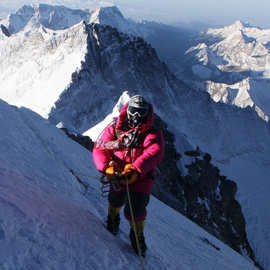
Tibet is located in the southwest of the Qinghai-Tibet Plateau in China, known as the “Roof of the World”. With an average altitude of more than 4,000 meters, Tibet is an alpine “base camp” composed of a series of high mountains. Five of the world’s 14 peaks above 8,000 meters are in Tibet, including the world’s highest peak–Mt. Everest. Besides, Mount Kailash is a holy place in the hearts of Chinese and foreign religious believers; three “holy lakes”, Yamdrok, Manasarovar and Namtso, are like bright pearls inlaid on this snowy plateau. The last but not least, the amazing Potala Palace, which’s architectural art is the most outstanding representative of thousands of Tibetan Buddhist temples and palaces. Furthermore, Tibet has the world’s largest canyon – the Brahmaputra Grand Canyon. The numerous “best in the world” make Tibet one of the top tourist destinations in the world.  

4 Days Lhasa Tour for First-timers

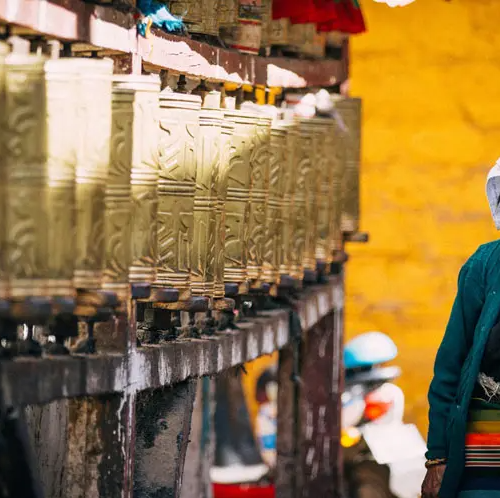
Pay a visit to the best highlights of Lhasa including the far-famed and time-honored Potala Palace, majestic monasteries such as Sera monastery and Drepung Monastery, holy Jokhang Temple, and bustling Barkhor Street, etc. 
15 Days Excellent China Tour

Gansu and Inner Mongolia tour can bring you a memorable experience of the Yellow River culture and Silk Road culture…
15 Days Excellent China Tour

Gansu and Inner Mongolia tour can bring you a memorable experience of the Yellow River culture and Silk Road culture…

15 Days Excellent China Tour

Gansu and Inner Mongolia tour can bring you a memorable experience of the Yellow River culture and Silk Road culture…
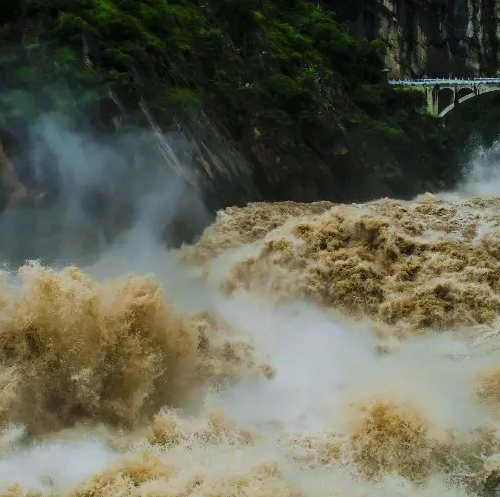
15 Days Excellent China Tour

Gansu and Inner Mongolia tour can bring you a memorable experience of the Yellow River culture and Silk Road culture…
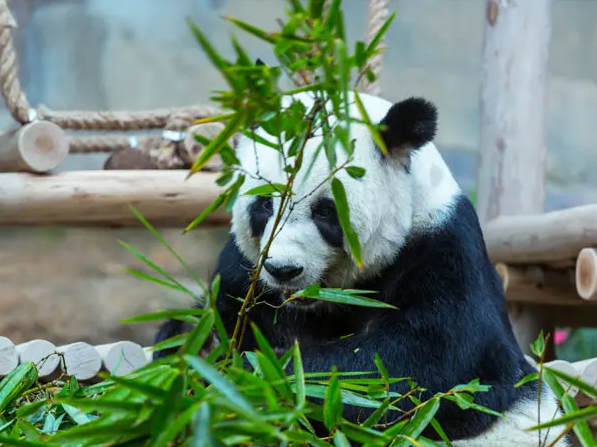
15 Days Excellent China Tour

Gansu and Inner Mongolia tour can bring you a memorable experience of the Yellow River culture and Silk Road culture…
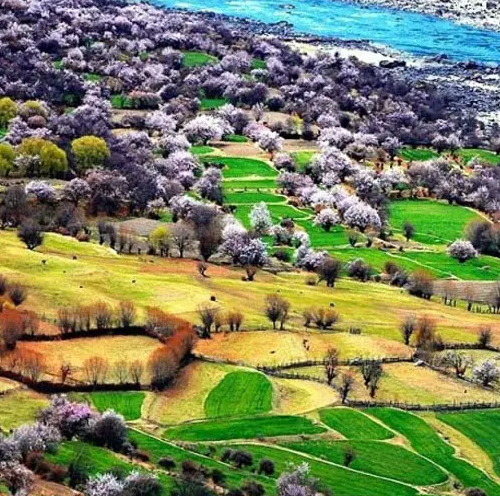
Tibet Tourist Map

Q&As

Tibet is often considered as one of those bucket-list destinations that is a must go place for travelers. Known as the Roof of the World, Tibet lies on the world’s highest plateau, and is surrounded by the world’s highest mountains and mountain range. Lying at an average altitude of around 4,800 meters above sea level, this high-altitude land is one of the most unique locations on the planet.

Explore the wealth of ancient Buddhist monasteries, lofty snow-clad mountains, beautiful crystal-clear lakes, and vast open prairies filled with unique plateau wildlife may just make you change your mind. There are some things that you need to know before considering a trip to the roof of the world, which can help make planning and executing this incredible journey much easier.

1.Do I need visa for Tibet? If yes, what information should I provide?
  • Yes, you need a Tibetan permit, we will help you to apply it.
  • To apply the permit, you need provide your passport picture, visa, address, working certificate, contact details.

Usually, permits get issued 5-7 days before the trip. We suggest that you submit your related information to us in advance.

You can buy flight and train ticket in advance. If permit can’t be granted, we give full refund, but flight/train ticket cancellation fee will be on you. (usually 150-300 rmb depending on the airline)


No, foreigners can only travel Tibet with a guide, you will need a permit for extra days as well, so there will be an extra fee for a private tour guide, airport pickup/drop off, permit processing and hotel. To acclimitize to high altitude we recommend you spend a couple of days in Xining (Qinghai) in advance, no permit or guide needed there.

Fly or take train from your city to Lhasa. If your time is limited, choose flight to Lhasa; if you have enough time and want an economical-friendly trip, taking a train is also a good choice, saving money and enjoying scenery along the way.

You can buy it on qunar.com (去哪儿网) or Ctrip.com.(携程) All the flights to Lhasa go with a stopover. We can help you to book as well (scan QR code)

If you have questions about this trip, please long press and scan the QR code below

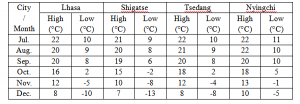
As Tibet is at the high plateau, its climate belongs to the typical downy special climate. Climates are quite different in different parts of Tibet, and temperatures difference at a single day can be 7-10 degrees. To prepare a travel in Tibet, you need get some information of the climate and weather in some cities or tourist sites you are planning to visit, and prepare clothing based on the temperature reference.

Recommanded outfit in July and August: overshirt, sneakers, hoodie, jacket, thin down jacket, raincoat, umbrella, pants, hiker shoes, hat, outdoor jackets, etc.


Tibet is in a high plateau, and it belongs to typical downy special climate.Climates are quite different in different areas of Tibet. The eastern Tibet which is at a lower elevation is warmer than western Tibet. In some mountain areas, you can experience four seasons in the same area. The weather in a day varies greatly, too. The night is cold while the day is warm. It spans 12-15 degrees centigrade in a single day.

Climate in southeastern Tibet including Nyingchi and Chamdo is balmy with an average temperature of eight degrees centigrade; while in western Tibet (Shigatse and Nagqu) is quite cold with an average temperature below zero degree.

However in the central area of Tibet, the climate of Lhasa and Tsedang is more favorable for traveling. Travelers can visit these two areas all year around, not too hot in summer and not too cold in winter.

As our more than 15 years experience of organizing Tibet tour, we think that from early April to late November is the pleasant time to visit all areas of Tibet, not cold. The late November to next March is ok for paying a visit to Lhasa, Nyingchi or some cities having good accommodation with heating or heater, because it is too cold at night. For most visitors, the best time to travel Tibet is between April and October. The best months are May, June, September and October as July and August are rainy months.

Generally speaking, early April is the beginning of travel season, which lasts to mid-June when a large number of Chinese travelers rush to Tibet for summer holiday. Late June to the end of National Holiday is the peak travel season when some important festivals held in Tibet, like Shoton Festival, Gyantse Dama Festival and Nagqu horse riding Festival. After mid October, Tibet turns to winter and as the visitors reduce greatly, more than half of hotels are closed for the poor reservation.

  • If you want an extremely cheap price, go to Tibet in winter, from December to next March. All the things are quite cheap.
  • If you like trekking, do it at May or September when the monsoon will never bother you and the weather is balmy and pleasant.
  • If you love Mt.Everest and want to see the clear face of it, try to avoid the rainfall season and foggy weather.
  • If you love to visit the grass land in north Tibet, do the tour in July when the flowers bloom in vast grassland and groups of yak and sheep, Tibetan nomad tents spread all over the grassland.
  • Those who want to drive to Tibet through Sichuan-Tibet highway should avoid the rainy season. There will be mudslides, cave-ins and mire on certain sections of the road, blocking the passage of vehicles.

Try to keep healthy and not to catch a cold before entering Tibet. The first day arriving in Tibet, visitors are advised not to take a bath, smoke and drink alcohol.

  • Before visiting Tibet, get healthy as possible, both physically and psychologically. Visitors having heart disease, high blood pressure or other organ problems or anemia should consult their doctor before making the decision to visit Tibet.
  • If you go to Tibet for trekking, please make physical exercise plan one month before you fly to the high altitude, swimming, long distance walking, tennis or something.
  • Please take care of yourself and avoid catching cold before you go to Tibet, you will easily suffer from altitude sickness under weak physical condition.
  • Please do not drink any alcohol on the first two days you are in Tibet. You need to bring enough water or drinks and fruits, snacks with high caloric content, like chocolate.
  • It is better not to take shower at the first two days you are in Lhasa, because you are facing the danger of catching a cold.
  • Don’t be so excited upon your arrival in Tibet, and do not run, jump or work out at the first two days. Being quiet and having a good rest are important.
  • Once you have the symptoms of altitude sickness, please report to your tour guide immediately, and don’t go higher with symptoms of altitude sickness.
  • Medication and oxygen also help to prevent altitude sickness. Mild altitude sickness symptoms can be treated with proper medication. If medication and oxygen do not relieve the symptoms, go to hospital or evacuate immediately to a safe altitude!