





Reference Tours

20 days Suzhou
xxxxxxxxxxxxxxxxx
30 days Suzhou tour
xxxxxxxxxxxxxx
Suzhou deep tour
xxxxxxxxxxxx
Due to geographical environment, climate, customs, economy, culture and other reasons, the clothes of China’s 55 ethnic minorities have developed over a long period of time, thus forming different styles, colorful and with distinct national characteristics.
.
The kazah people are characterized by grassland nomadic culture. Their costumes are easy to ride, mostly made by sheepskin, fox skin, deer skin, wolf skin, etc., reflecting the living characteristics of the mountainous and grassland people. In history, the vast majority of Kazah people lived a nomadic life by water and grass, which lead to the strong characteristics of grassland husbandry life of their clothing. Herders mainly use the fur of their animals as raw material for clothing.
Dai live in tropical and subtropical areas, with the warm climate, lush forests and rich products. Dai costumes are elegant and beautiful, fully embody its geographical characteristics. And they are both practical and highly decorative, which quite reflects the national personality of loving life, advocating neutral beaut and folk customs. Since the villages where the Dai people live are rich in bamboo, they will use thin strips to weave colorful bamboo hats and waist baskets as decorations.
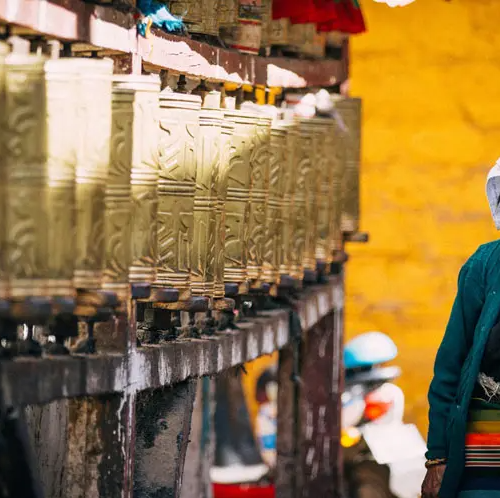
Tibetan robe is the most common Tibetan clothing. Urban residents prefer to make Tibetan robes with high-quality wool, woolen fabric in agricultural areas and fur in pastoral areas. An essential part of Tibetan clothing is the belt. In addition, Tibatan also like to wear hats, mostly felt hats, fur hats and golden hats. Tibetan ornaments are mainly earrings, plastrons, waist decorations and hand jewelries.
Now, many Tibetans families have added suits, jackets and other modern clothes to their closets, reflecting the Tibetan people’s new taste in clothing. However, many people still wear traditional clothes during the festival.
- Ethnic costumes are precious cultural heritage, we should cherish and protect them well in the process of experience.
- Respect the customs and habits of ethnic minorities. Ethnic minorities are a nation with a long history and splendid culture, a lot of things about their customs and practices are what we should learn from and carry forward.
- Respect the religious beliefs of ethnic minorities. No one should enter their religious sites or take photos of them without their consent.
Recommended Tours
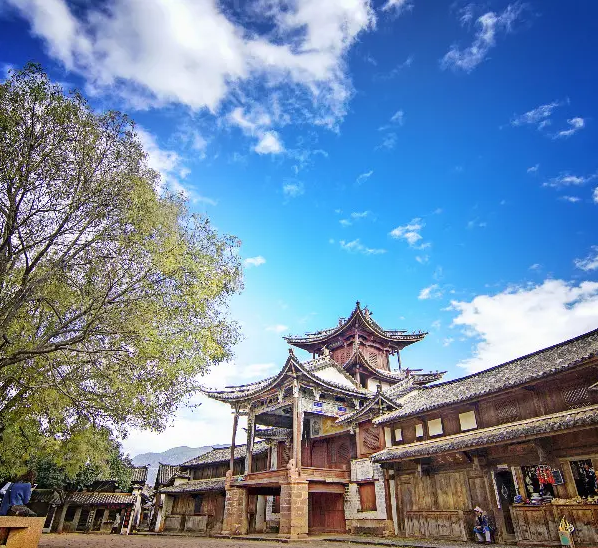
YunnanDiverse Landscapes

ShanghaiMetropolis, history and exotic culture
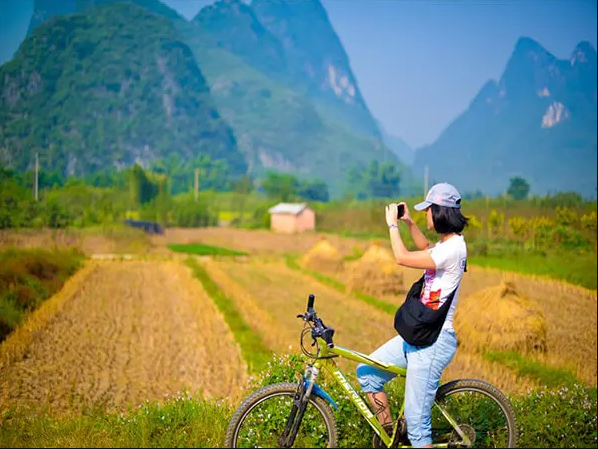
GuilinScenic area in China. Landscapes
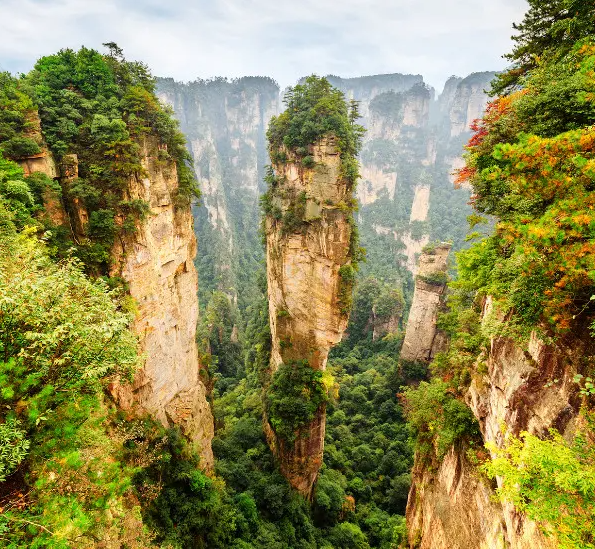
ZhangjiajieZhangjiajie National Forest Park . Tianmen Mountain
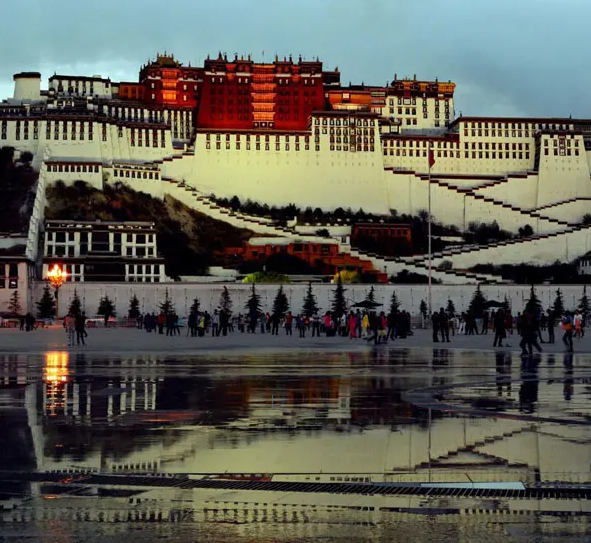
TibetMt.Everest . Potala Palace