



Reference Tours

20 days Suzhou
xxxxxxxxxxxxxxxxx
30 days Suzhou tour
xxxxxxxxxxxxxx
Suzhou deep tour
xxxxxxxxxxxx
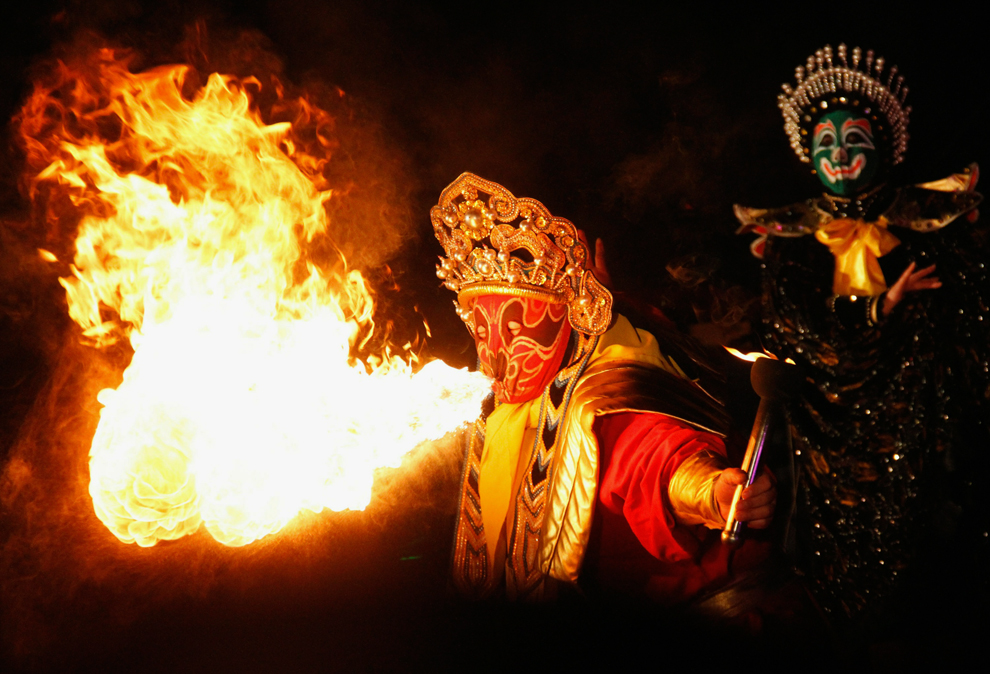
Peking Opera is one of China’s national treasures and is the most influential opera genre in China, with a distribution centered in Beijing and throughout the country. Peking Opera is an important expression of traditional Chinese culture, and many of its artistic elements are used as symbols of traditional Chinese culture.
.
The predecessor of Peking Opera was the Huiban, which was popular in the Jiangnan area in the early Qing Dynasty and sang mainly with blowing accent, high plucking and erhuang. During the Qianlong period, the four major Huiban classes entered Beijing to present their performances, unveiling the prologue of the 200-year history of Chinese Peking Opera. After that, Beijing Opera was formed by the merging of Hui opera, Qin cadence and Han tune, and the absorption of Kunqu and Beijig cadence.
Peking Opera is good at presenting political and military struggles with historical themes, and most of the stories are taken from historical plays and fictional books. The four artistic techniques of Peking Opera: singing, speaking parts, dancing moves and acrobatic fighting, are also the four basic skills of Peking Opera performance. The roles on the stage of Peking Opera are not based on the original appearance of people in life, but on the gender, character, age, occupation and social status of the characters played, with some artistic exaggerations in make-up and costumes, so that the roles on the stage are divided into four types: Sheng, Dan, Jing and Chou.
- Cheng Changgeng: Master of Huizhou Opera and Peking Opera in Qing Dynasty. He made important contributions to the formation of the art of Peking Opera and is known as “ leader of the Huiban”, “the progenitor of Peking Opera”, and “ the father of Peking Opera”.
- Mei Lanfang: Mei learned opera at the age of 8 and appeared on stage at the age of 11. During his more than 50 years of life on stage, he developed and improved the art of Peking Opera, forming a unique style of art known as the “ Mei School”.
- Learn about the traditional Chinese opera.Learn about the history of the development of China’s opera experience, the types of opera, the evolution of opera, and deepen your understanding of the art of opera.
- Opera role experience.Through the guidance of professional teachers, experience the basic steps of putting on and taking off makeup on stage for opera actors; choose your own role and change into the corresponding costume to fully understand China’s oldest national art.
- Opera stage experience.Through the live performance of opera, you can have a more direct and vivid understanding of the actions and singing of the actors on stage, and will have a preliminary appreciation of the comprehensive performance form of “singing, speaking parts, dancing moves and acrobatic fighting “ in Peking Opera.
Recommended Tours
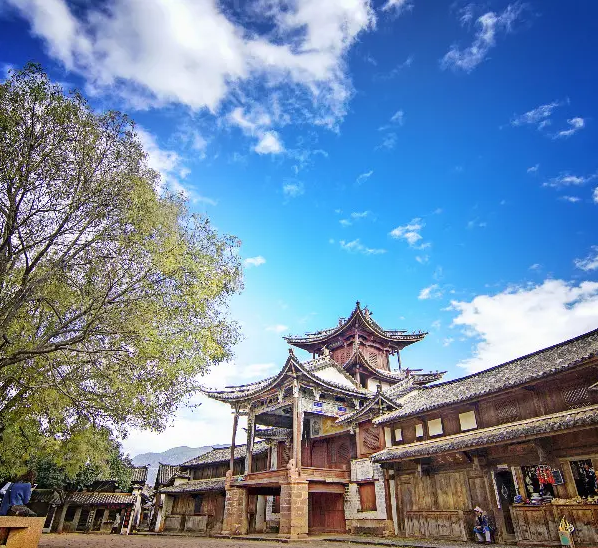
YunnanDiverse Landscapes
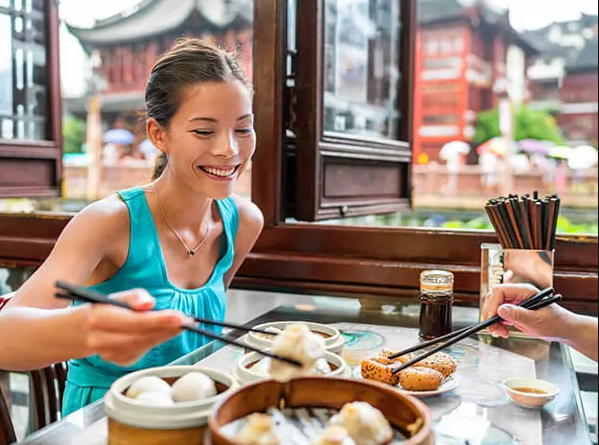
ShanghaiMetropolis, history and exotic culture
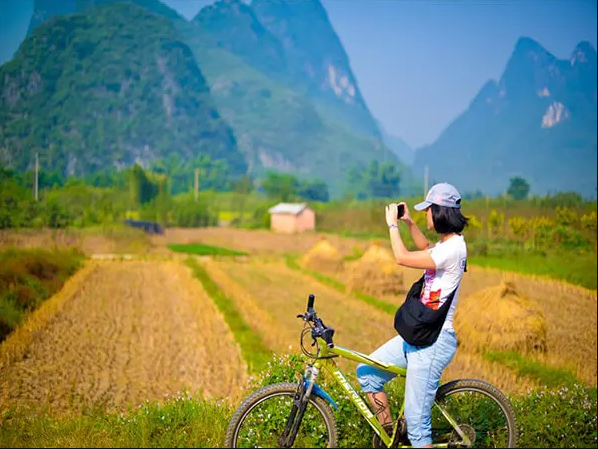
GuilinScenic area in China. Landscapes
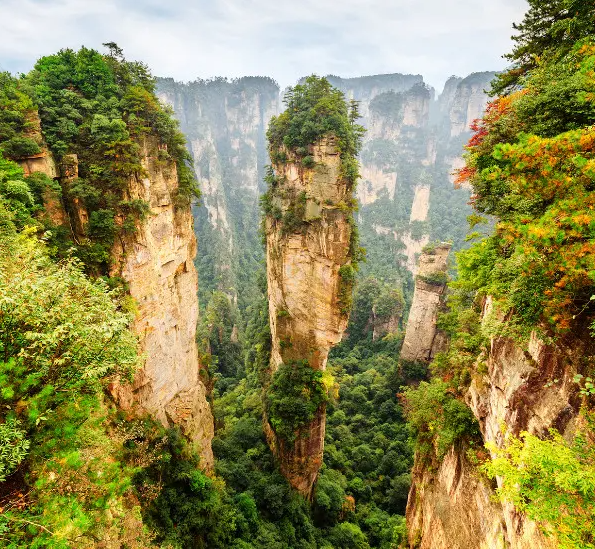
ZhangjiajieZhangjiajie National Forest Park . Tianmen Mountain
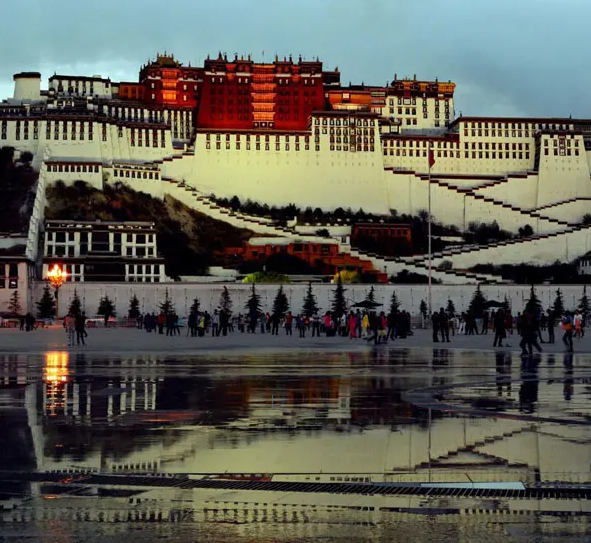
TibetMt.Everest . Potala Palace