




Shangri-La
Shangri-La has been the synonymous of earthly paradise ever since it is depicted by English author James Hilton in his book <Lost Horizon>. “Shangri-La” is actually a transliteration of a word meaning “the moon and sun in the mind” in Tibetan. Occasionally, although James Hilton did not know at the time he wrote his book, Shangri-La is truly a name of a city in Yunnan. Then accordingly, the name of the city was change from “Zhongdian” to “Shangri-La”.
Undoubtedly, there are many fantastic sights in Shangri-La that you will see nowhere else:
Top Tourist Attractions in Shangri-La
It is the first national park in China and was selected for the reason of its unparalleled beauty and ecological value.
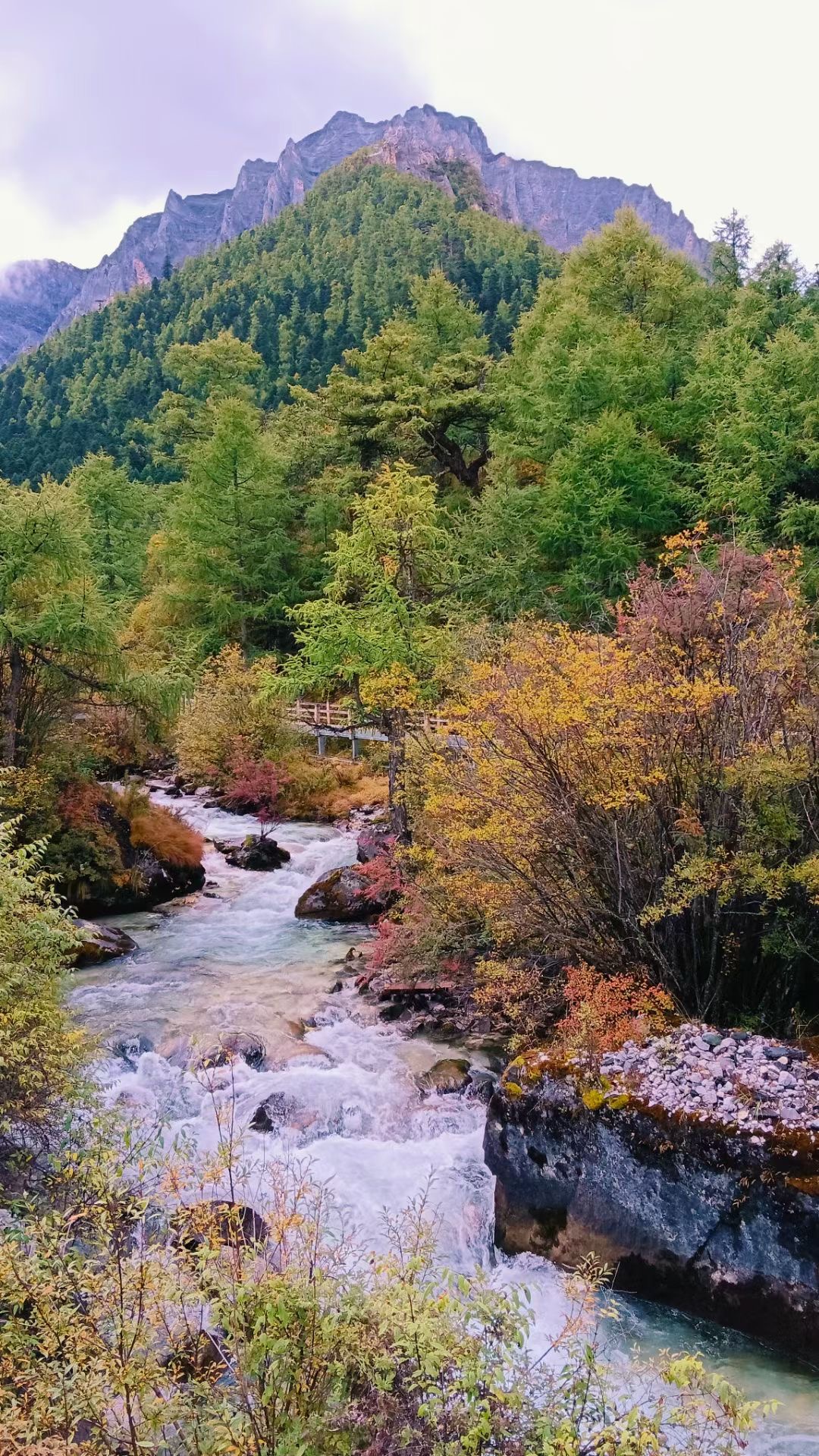
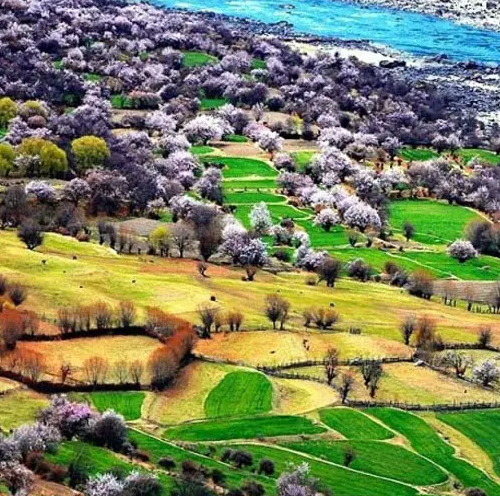
Dotted small lakes with meadows hugged around is like scattered pearls and gems on the green velvet. Glistening streams trickling trough the tranquil river valley sounds like whisper of nature. Lush forest has formed a natural shelter for the creature on this land of wonders.
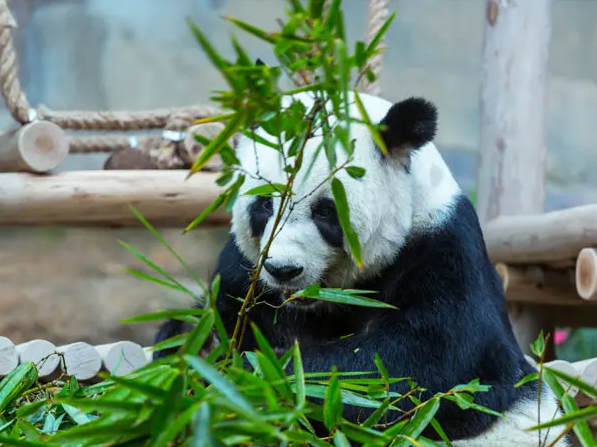
The life there is never boring. You can find over 20% of the plant species in China there, as well as almost 1/4 of the animal species, though it only accounts for 0.7% of China’s land area. It is always very busy!
The biggest Tibetan Buddhist Temple in Yunnan and is regarded as the “Miniature Potala Palace in Yunnan” for its magnificence and importance. This typical Tibetan architectural style castle building complex was built in 1679 with the whole body of gold, red and white color. Tibetan Buddhists believe it is the holiest place in Yunnan and have offered numerous treasures to the temple. Adornment of jewelry shows the most devout faith of Buddhists.
The 2 major lamasery buildings in this monastery are Zhacang and JikangThe which is very visible from any corner of the old town as they are outstanding from the smaller lamaseries around them. Entering into the monastery, the main hall is quite huge which is capable for 1500 monks congregating to recite the Buddhist scriptures.
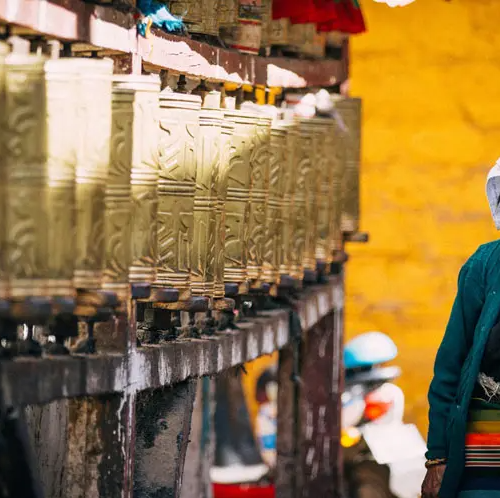
“Dukezong” in Tibetan means moonlight city or the city built on rocks. It was firstly built around 678 and accordingly, there was another sunlight city “Niwangzong” build on the summit of the hill in front of Dukezong. Niwangzong has disappeared now but Dukezong is still very busy and it once was a very important spot on the Ancient Tea Horse Road. As the largest and well-preserved residential place of Tibetan people, strolling around the town and going into the small shops is an excellent way to know the life style of local Tibetan people. The local landmark Guishan Hill can be seen anywhere in the town. You can also rotate the world’s biggest praywheel here and it is said that once rotate the wheel, all the bad lucks around you will be wiped off.
In 2014, a fire broke out and destroyed a large portion of the town, reporting over 100 building burned to the ground. But after 2 years of restoration, the town was reopened in 2016 and it has brought back to life by the efforts of both locals and travelers who love there.
This is a paradise for birds, where you can find black-necked cranes, black stork, grey cranes and many other precious bird species. The highlight of this lake is that it is a seasonal lake which means you can appreciate different scenes in different seasons. In summer and autumn, due to the large amount of rainwater, the lakes of Napahai rapidly expand. Then in winter and spring, monsoon return back and rainfall decreases significantly so the lakes also shrink and a large area of swamps and meadows will therefore come back. Migrant birds like black-necked cranes also love the weather and swamps and meadow in winter, so they were never absent during winter time.
One of the 8 holy mountains of Tibetan Buddhism, the top destination for pilgrims. Especially in the year of sheep according to the Tibetan calendar since the Meili is sheep mountain. It is said that if you go Meili Kora (walking around a mountain for the purpose of pilgrimage) in the year of sheep, the merit you accumulated will be 13 times more than the normal years. And if it’s in the water sheep year, which is rotated every 60 years, the merit you get from Meili Kora will be 60 times more! 2027 will be the next year of sheep according to Tibetan calendar. So, be prepared to go Meili to see the spectacle scenery!
Kawagarbo (Khawa Karpo or Kawa Garbo) is the main peak of Meili snow mountain with the altitude of 6740 meters above sea level, which has not been conquered by human beings. It has been claimed that any future climbing attempt will not be allowed for the considerations of respecting local culture and religion since 2000. So climbing to the summit could only be a dream.
It is very rare low-latitude monsoon oceanic modern glacier, stretching for 11.7 km, on average 500 meters in width. It is sacred to local Tibetan people. Located at the foot of the Kawagebo Peak, the main peak of Meili Snow mountain. In winter, the glacier tongue stretch from the summit to the river valley and only about 800 meter away from the majestic Lancang River. Take a hiking around is not very hard and quite enjoyable. But do travel with a guide, otherwise it is still dangerous.
A mysterious Tibetan village in the depths of the mountain area. There was only a narrow trail connecting to the outside world in the ancient time and still not a very frequently visited place nowadays. Many people regard this village as the real Shangri-La in Shangri-La as it was so quiet in the past thousands of years. You can have an excellent view of the Meili Mountain in this village for its excellent location at the backside of the mountain.