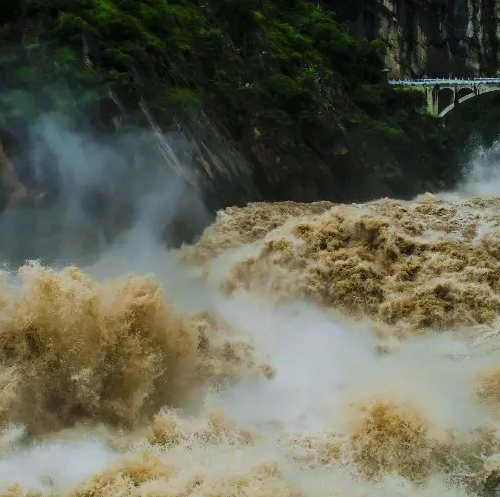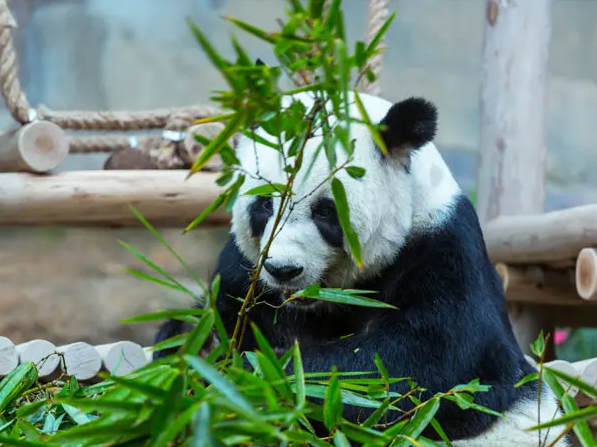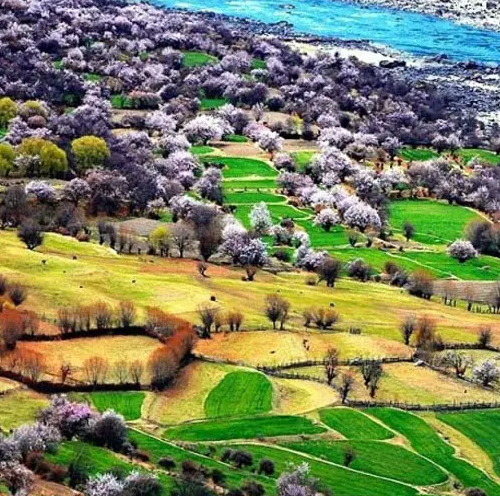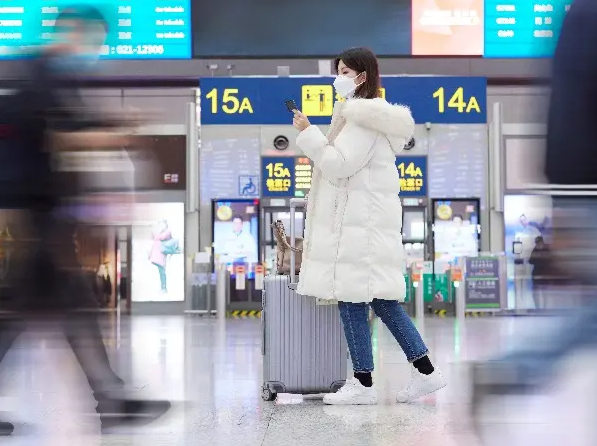


Dali There are 4 scenes in Dali that you should not miss out: Feng (Wind), Hua (Flower), Xue (Snow), Yue (Moon). Which are the wind in Xiagaun, flowers in Shangguan, snow in Changshan Mountain and moon in Erhai Lake.
Category Archives: Uncategorized
lijiang 一段介绍~
Shangri-La Shangri-La has been the synonymous of earthly paradise ever since it is depicted by English author James Hilton in his book <Lost Horizon>. “Shangri-La” is actually a transliteration of a word meaning “the moon and sun in the mind” in Tibetan. Occasionally, although James Hilton did not know at the time he wrote his…
“Entering Yunnan was an extraordinary surprise for me” –Paul Salopek Yunnan, derived its name from a very beautiful legend, means “the south of colorful clouds”. You may witness the colorful clouds coming up over the hills in the morning or evening in Yunnan when…
The Features of Inner Mongolia Inner Mongolia Autonomous Region also known as Inner Mongolia, which is located in the north of China, spanning northeast and northwest areas and accounts for 12.3% of the China. It borders Heilongjiang, Jilin, Liaoning and Hebei in the northeast, Shaanxi and Ningxia in the south, Gansu in the southwest, and Russia and Mongolia in the north.With a large…
Why Travel to the Sichuan? (Sichuan Travel Guide 写了这些 还需要修改。) Sichuan Province has a vast territory and a long history, and has enjoyed the reputation of “the land of abundance” since ancient times. Surrounded by the Qinghai-Tibet Plateau in the west, the Three Gorges in the east, the Bashan Qinling Mountain barrier in the north,…
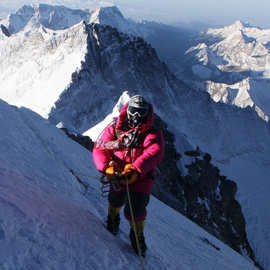
Why Travel to the Tibet? Tibet is located on the Qinghai-Tibet Plateau, known as the “roof of the world”, with an average elevation of more than 4,000 meters. It is an alpine “base camp” composed of a series of tall mountains. Five of the world’s 14 peaks above 8,000 meters are in Tibet, including the…
Why Travel to the Silk Road? The Silk Road is a historically important international trade route between China and the Mediterranean. Because silk comprised a large proportion of trade along this road, in 1877, it was named ‘the Silk Road’ by Ferdinand von Richthofen, an eminent German geographer. From the time Zhang Qian opened up the world-famous…
1.Origin Taijiquan originated in Chenjiagou, Wen County, Jiaozuo City, China. In the middle of the 17th century, Chen Wangting of Chenjiagou, based on his family’s boxing method, absorbed the strengths of various martial arts and integrated the ideas of Yijing and Chinese medicine to create a new boxing method with…
Su Embroidery is a traditional embroidery style that originated in Suzhou, a city in Jiangsu Province. 1.History Su Embroidery dates back over 2,000 years to the Han Dynasty, but it was in the Tang Dynasty and Song Dynasties (618-1279) that it became more refined and sophisticated. It was during this time that Suzhou became a…
- 1
- 2