




Guangdong Tours

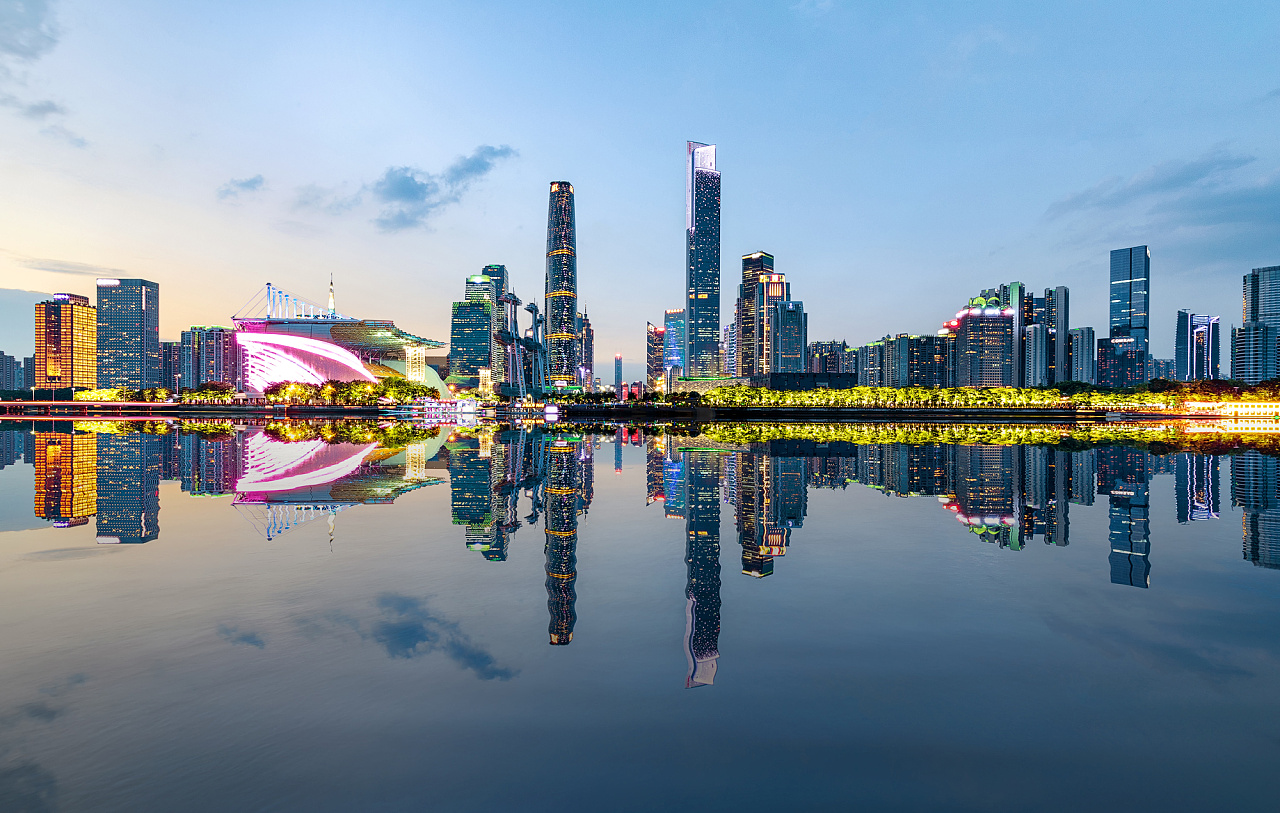
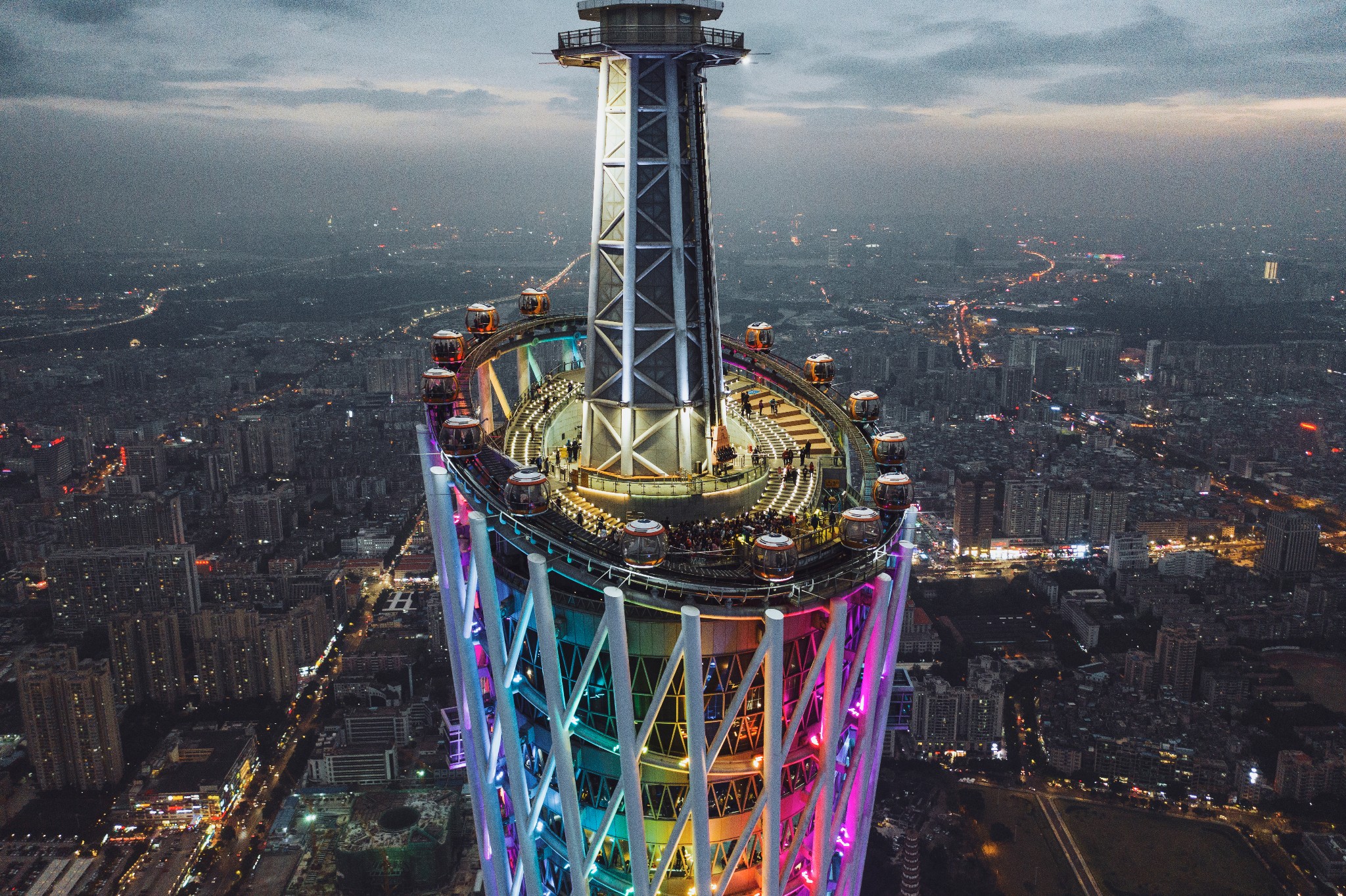
Guangdong, China’s largest economic province, is the earliest birthplace of the Maritime Silk Road, one of the cradles of Chinese civilization, where you can visit the “last paradise” of the Guangzhou Concession, Shamian Island and the first tallest tower in China, Guangzhou Tower; enjoy Chimelong Wildlife World with friends and family; also feel the piety in the sacred Gothic architecture of the church. In addition to the natural scenery such as Baiyun Mountain, Danxia Mountain, Yuexiu Park and Nan’ao Island in Guangdong, you can also immerse yourself in Lingnan Tiandi, Paifang Street, Splendid Chinese Folk Village, Foshan Ancestral Temple to experience unique Lingnan culture of Guangdong.

15 Days Excellent China Tour

Gansu and Inner Mongolia tour can bring you a memorable experience of the Yellow River culture and Silk Road culture…
15 Days Excellent China Tour

Gansu and Inner Mongolia tour can bring you a memorable experience of the Yellow River culture and Silk Road culture…
15 Days Excellent China Tour

Gansu and Inner Mongolia tour can bring you a memorable experience of the Yellow River culture and Silk Road culture…
15 Days Excellent China Tour

Gansu and Inner Mongolia tour can bring you a memorable experience of the Yellow River culture and Silk Road culture…
15 Days Excellent China Tour

Gansu and Inner Mongolia tour can bring you a memorable experience of the Yellow River culture and Silk Road culture…
15 Days Excellent China Tour

Gansu and Inner Mongolia tour can bring you a memorable experience of the Yellow River culture and Silk Road culture…

Guangdong Tourist Map

FAQs

1. What are the best ancient towns in Guangdong?
  1. Shawan Town has a history of more than 800 years ans is quite well preserved, being an ancient town of Lingnan culture. It also has intangible cultural heritages and traditional cultural activities such as lion dance and brick carving, etc.
  2. Dapeng City, which used to be a military fortress for sea defense in South China during the Ming and Qing Dynasties. Nowadays, it still remains the ancient gates, towers, streets and houses.
  3. Huangpu Ancient Harbor, which is a window to the golden period of China’s maritime trade in the 17th and 18th centuries. And the ancient village there is an important historical and cultural relic, and a witness of glorious maritime trade history of Guangzhou.

First of all, Cantonese cuisine emphasizes the four words of “fresh, tender, crisp and smooth”, and the main purpose of cooking is to bring out the flavor of the ingredients themselves, and all seasonings are for the purpose of enhancing the flavor of the food itself.

Secondly, Cantonese cuisine emphasizes the therapeutic and nourishing effects of food. Cantonese people have soup in almost every meal.

In addition, one of the key concepts of Cantonese cuisine is to “complement from with form”, for example, eating eyes for eyesight.

The first emperor of Qin Dynasty united the six states, but at that time the land of Guangdong and Guangxi, separated from the central plains of Chinese civilization, has therefore preserved a fairly independent political system and cultural ecology since ancient times.

After the Yue people entered Lingnan, the primitive political pattern of clan tribes was still maintained here. Coupled with the complicated terrain, Qin Shi Huang had to find a way to build the Ling Canal connecting the Xiang and Li Rivers, and finally conquered the Lingnan land.

Cantonese people eat crocodiles, snakes, rats (bamboo rats, voles, etc.) and bugs (sand-worms, bamboo-warms, cinnamon cicadas, etc.), but all of these things are relatively niche or even just eaten by people from one small place. So not all Cantonese people eat everything.

As of 2021, Guangdong has a land area of 179,800 square kilometers and a total sea area of 419,000 square kilometers.